About Us
Lorem ipsum dolor sit amet, consectetur elit, sed do eiusmod tempor incididunt ut labore et magna aliqua. Ut enim ad minim veniam laboris.
Lorem ipsum dolor sit amet, consectetur elit, sed do eiusmod tempor incididunt ut labore et magna aliqua. Ut enim ad minim veniam laboris.


09
June
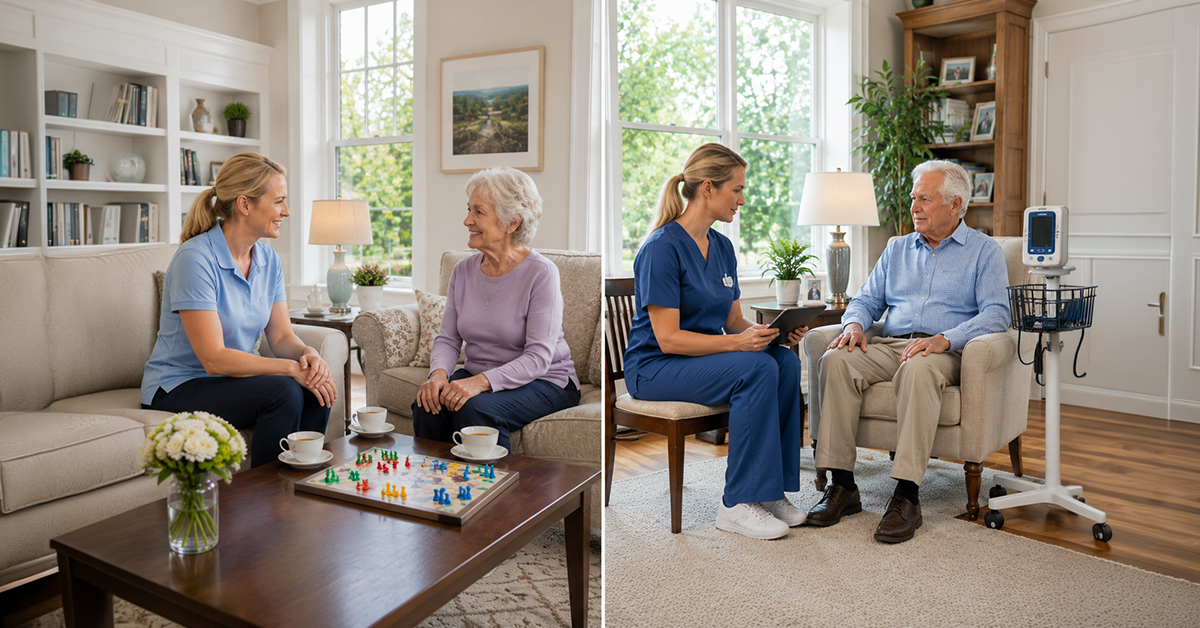
When families compare Companion Care vs Home Health Care, the real question is not which option sounds better. It is which kind of support a loved one truly needs. Companion care helps with conversation, errands, meal companionship, light household help, reminders, and steady social presence. Home health care is different. It usually involves skilled medical care, therapy, wound care, recovery support, or health monitoring tied to a medical need.
Many families begin this search when a parent is still mostly independent but needs more structure, company, and help with everyday routines.
Understanding the difference can prevent confusion, wasted money, and care gaps. For non-medical companionship and daily-life support, families may consider SuperAides.
Companion care is non-medical support that helps seniors stay connected, comfortable, and more confident at home. It is often the right fit when a loved one does not need clinical care but should not spend long hours alone.
Home health care is skilled care delivered at home after an illness, surgery, injury, hospital stay, or diagnosis-related need. It is usually provided by licensed nurses, therapists, or trained clinical professionals.
Companion care helps seniors stay connected, supported, and comfortable with everyday routines. It is best for loved ones who do not need medical care but benefit from steady company, light help, and a familiar presence at home.
The purpose is not to take over daily life. It is to bring dependable company and practical non-medical support that helps seniors feel more confident at home.
Home health care is usually needed when an elderly adult requires medical, recovery-based, or doctor-directed support at home. It is different from companion care because it involves skilled professionals handling health-related needs, not everyday social support.
Families searching for Home health care services for the elderly in Fairfax are usually looking for medical or recovery-based care. Companion care, on the other hand, supports daily routines, comfort, conversation, and social well-being.
The Difference between companion care and home health care is simple: companion care supports daily living and emotional connection, while home health care supports medical needs.
| Key Factor | Companion Care | Home Health Care |
|---|---|---|
| Purpose | Helps with daily comfort, companionship, routines, and emotional support. | Supports medical recovery, treatment needs, or health-related care at home. |
| Provider Type | Provided by trained companions offering non-medical daily-life support. | Provided by licensed nurses, therapists, or clinical professionals. |
| Service Scope | Covers conversation, errands, meals, reminders, and light household help. | Covers skilled nursing, therapy, wound care, monitoring, and medical support. |
| Best Timing | Works well for ongoing support, loneliness, errands, and routine needs. | Often needed after surgery, illness, hospitalization, or doctor-directed care. |
| Family Value | Reduces daily worry by keeping seniors engaged, supported, and connected. | Helps manage clinical risks and recovery needs under professional care. |
| Care Boundary | Does not include nursing, therapy, medication administration, or wound care. | Can include clinical care when ordered or managed by healthcare professionals. |
Table 1 demonstrates the key differences between companion care and home health care.
A senior recovering from surgery may need home health care. A senior who feels lonely, skips meals, avoids errands, or needs company may benefit from companion care. For families looking for non-medical daily support, SuperAides helps seniors stay connected, comfortable, and more confident at home.
When families look at Types of Home Care Services, several different care models often get grouped. Knowing each category helps families choose with less stress.
Common care types include:
SuperAides fits within non-medical companion care, not nursing, therapy, personal care, or clinical home health services.
Companion care is often the better choice when a senior is medically stable but needs more company, structure, and practical help throughout the week.
It may fit when:
This kind of care helps seniors keep independence while giving families more peace of mind.
Home health care is the better choice when a senior needs licensed care, therapy, medical monitoring, or treatment-related support. Companion care should never be used as a replacement for medical care.
Home health care may fit when:
In some cases, both services can work together. A nurse may handle clinical care, while a companion supports conversation, errands, meals, and daily comfort.
Families should begin with the real problem. Is the concern medical safety, recovery, therapy, or wound care? Or is the concern loneliness, meals, errands, routine, and family reassurance?
Ask these questions:
The right choice should match the need, not the broad label on a service page.
If your loved one needs skilled nursing, therapy, wound care, or medical treatment at home, home health care is the safer path. If the need is conversation, errands, meal companionship, light household help, reminders, and steady presence, companion care may be the better fit. SuperAides gives families a flexible, non-medical way to support seniors at home while respecting independence, dignity, and comfort.
Reach out to SuperAides today to arrange trusted companion care that supports comfort, confidence, and daily independence.
No. Companion care is non-medical help with conversation, errands, meals, routines, and daily comfort.
Seniors needing skilled nursing, therapy, wound care, or medical monitoring may need home health care.
No. Companion care cannot replace licensed medical care, nursing, therapy, or clinical treatment.
It may include conversation, errands, meal companionship, light household help, tech help, and reminders.
Yes. Regular companionship can reduce isolation through conversation, activities, outings, and friendly presence.
Yes. Home health can handle medical needs, while companion care supports daily routines.
No. SuperAides provides non-medical companion care, not nursing, therapy, or clinical services.
No comments yet.