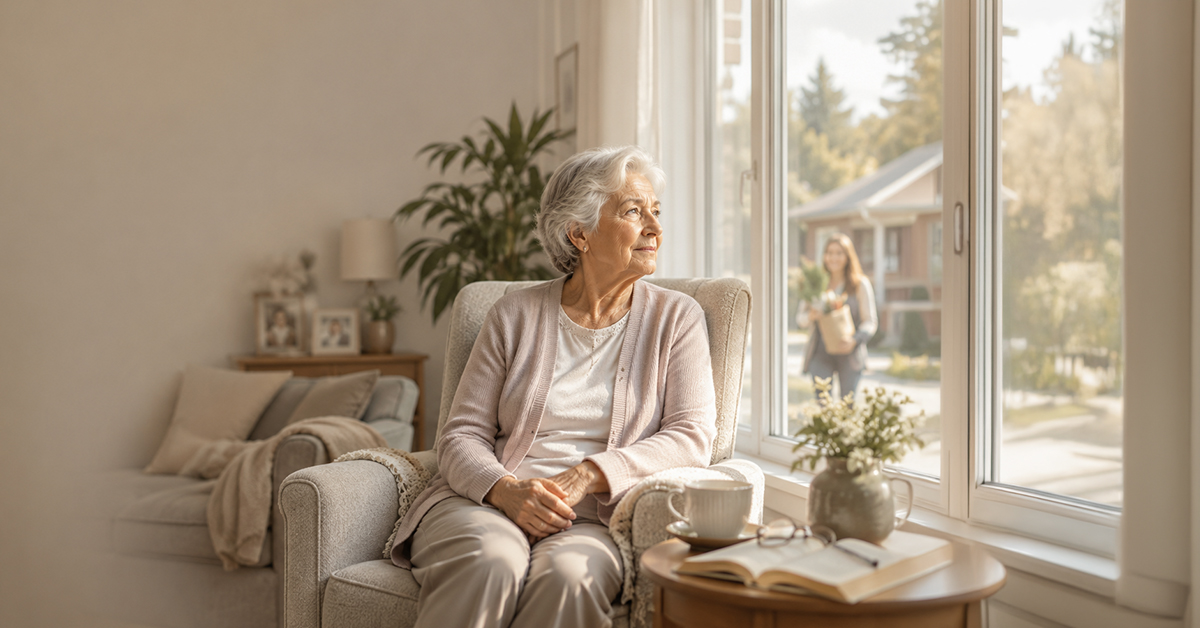
Social Isolation in Older Adults happens without notice, even when family members make calls every day or stay in houses close by. Many people believe that retirement and the death of a spouse begin this process. When physical movement becomes hard, or difficulties with hearing occur, social isolation grows. Chronic sickness and problems with vehicles also make communication difficult. It has been observed that the group of friends for elderly people gets smaller over time. Social isolation is defined as having few people to talk to, but loneliness is the painful feeling in the heart because of being alone. One situation can exist without the other situation being present.
Family members should see visible removal from others as a serious problem that needs change. Social isolation must not be viewed as a normal thing that comes with getting old by the community. Purpose and confidence are restored when community participation is encouraged by the family.
What Is Social Isolation in Older Adults, and Why Does It Develop?
Social isolation represents an actual absence of human connections or neighborhood involvement. Loneliness is a feeling within. A person can feel alone even in a crowd, or they might be content with just a few friends. Many shifts in life cause social isolation to happen. When a spouse dies, it can be hard. Driving may also become difficult. This often leads to more social isolation. It has been observed that social companions moving away or physical sickness draining physical power leads to staying at home.
Common risk factors include:
- Life transitions: Cessation of work, moving house, losing a partner, or stopping care duties can take away human connections.
- Health limitations: Physical discomfort and tiredness can make visiting others hard. Problems with hearing and sight also add to the difficulty. These difficulties are caused by the aging process.
- Transportation barriers: Stopping a car makes it hard to attend meetings, go to religious services, and buy food.
- Digital exclusion: Problems with mobile devices or video calls limit communication with distant family members.
- Reduced confidence: Anxiety or feeling shy because of grief might make an individual choose to stay inside the house.
What Signs Show an Older Adult May Be Socially Isolated?
Identifying Social Isolation in Older Adults starts when individuals observe differences in behavior. Experts claim that living in a house alone does not always mean a person feels lonely because some individuals like to be by themselves. Concern for Older Adults grows when these individuals talk less with others or stop doing things they love. Daily habits are neglected by Older Adults because they believe there is no reason to depart from their house. Members of the family must look at behaviors and speak with kindness.
Possible warning signs include:
- Withdrawing from contact: Conversations get shorter when Older Adults don’t answer the phone or won’t meet friends.
- Losing interest: Neighborhood routines are abandoned even though the person once loved those activities.
- Neglecting self-care: When the house is messy and food isn’t eaten regularly, grooming often suffers.
- Showing mood changes: It has been observed that sadness or anxiety appears more often when Social Isolation happens.
- Life can feel empty for Older Adults: They often feel disconnected from the world.
- Struggling After Loss: Older adults may withdraw when they lose a friend or stop driving.
Medical professionals must be called when big changes happen quickly. Help is sought by families when Older Adults show confusion or deep sadness. Users say Social Isolation becomes dangerous when sleep is lost or eating stops. Social Isolation requires a medical professional if the individual thinks about hurting themselves or acts in ways that are not safe.
What Are the Health Consequences of Social Isolation in Older Adults?
The Health Consequences of Social Isolation in Older Adults extend beyond sadness. Higher possibilities of heart disease, stroke, type 2 diabetes, depression, anxiety, dementia, self-harm, and dying early are connected by the CDC to social isolation and loneliness. Social Companion Care and Recreational Activities for Seniors are a boon to physical health, mental health, quality of life, and longevity for older adults.
Individuals experiencing social isolation might be given less encouragement to perform physical activity, consume food on schedule, attend medical meetings, or keep healthy habits. Shifts in memory, movement, daily actions, or general state can be overlooked when visitors are not present.
Key areas of concern include:
- Emotional health: Social isolation is thought to cause feelings of depression, anxiety, hopelessness, and low self-worth. It has been observed that sadness becomes stronger when social interaction is missing.
- Cognitive health: Low levels of mental activity and social engagement are associated with brain decline and dementia. Researchers claim that social isolation speeds up the loss of memory.
- Physical health: Cardiovascular disease, stroke, diabetes, and worse health outcomes are linked with social isolation. Many medical professionals believe that the body becomes weak when social isolation is present.
- Daily functioning: Regular patterns involving meals, activity, medical dates, and managing the home can be damaged by a decrease in inner drive.
- Safety awareness: Detection of sickness, falling, mental confusion, or dangerous environments might be slowed down by a small number of social interactions.
Human interaction should support medical treatment. The diagnosis of depression, treatment for dementia, giving medicine, or managing crises cannot be performed by companion services.
Which Strategies to Mitigate Social Isolation Work for Families?
Successful methods to reduce Social Isolation need to be personal, predictable, and realistic. The observation has been made that a calendar filled with many tasks does not always hold value for an older individual. The main goal is to restore relationships and activities that fit the person's energy, culture, and pace. Households can create a clear connection plan. This way, they won't depend on random phone calls. Most people say that family members can handle certain days of the week. Friends, neighbors, religious groups, and libraries can also help out. Obstacles related to transit solutions, hearing, and moving around must be addressed by the family because these barriers prevent participation.
Practical family strategies to mitigate social isolation:
- Schedule reliable contact: Relatives set up regular calls, food get-togethers, or outings. This way, staying connected isn’t left to chance.
- Restore meaningful roles: People are invited by their relatives to teach, advise, cook, or share history because having a role provides dignity.
- Choose activities wisely: Select from growing plants, listening to music, or playing tabletop games. Focus on what the older person truly enjoys.
- Remove access barriers: The household organizes transit solutions and auditory assistance. This helps the person reach the events.
- Start slowly: Begin with one easy activity. This helps connections grow naturally, without the stress of forced socializing.
- Review progress: Asking which interactions feel good or tiring helps the household adjust the plan.
Social Companion Care and fun activities for seniors offer regular interaction, especially when family members are busy. A companion can help in many ways. They might talk, play tabletop games, or go to medical appointments with someone. Non-medical companionship that focuses on routines and outings is provided by SuperAides. SuperAides supplements the household. It doesn’t replace relatives. This makes the support system stronger.
Contact SuperAides for Social Companion Care and Recreational Activities for Seniors that support connection, confidence, and meaningful daily routines today.
FAQs
1. Can an older adult be isolated without feeling lonely?
Yes. Isolation means limited contact or participation, while loneliness is a feeling. Someone may enjoy solitude, although limited support can still create risks.
2. How often should families check on an older relative?
No schedule fits everyone. Contact should reflect health, living arrangements, preferences, recent losses, and support. Predictable, meaningful interaction matters more than occasional calls.
3. What activities can help isolated seniors reconnect?
Options include shared meals, walking, gardening, music, games, classes, volunteering, faith gatherings, library programs, and video calls. Activities should remain accessible and enjoyable.
4. When should a family seek medical help?
Contact a provider when isolation accompanies persistent sadness, confusion, sleep or appetite changes, poor self-care, unsafe behavior, substance misuse, or statements about self-harm.
5. Can companion care replace home health care?
No. Companion care supports conversation, routines, errands, activities, and non-medical engagement. Nursing, therapy, medication administration, medical monitoring, and hands-on personal care require qualified providers.
6. How does SuperAides arrange companion support?
Families create a profile, explain the support needed, and receive a match. Preferences may include interests, personality, language, and availability.